


When it comes to home renovation and construction, tiling stands as one of the most transformative elements that can completely change the look and feel of any space. Whether you’re planning a kitchen makeover, bathroom renovation, or looking to add elegance to your living areas, choosing the right tiles and ensuring professional installation is crucial for both aesthetics and functionality. At Unique Construction, we’ve witnessed countless homeowners struggle with tile selection and installation decisions, which is why we’ve created this comprehensive guide to help you make informed choices that combine durability, beauty, and value for your specific needs.
Understanding Different Tile Materials
The foundation of any successful tiling project begins with selecting the appropriate material for your specific application. Different rooms have varying requirements in terms of moisture resistance, durability, and maintenance needs, making material selection a critical first step in the tiling process.
Ceramic Tiles
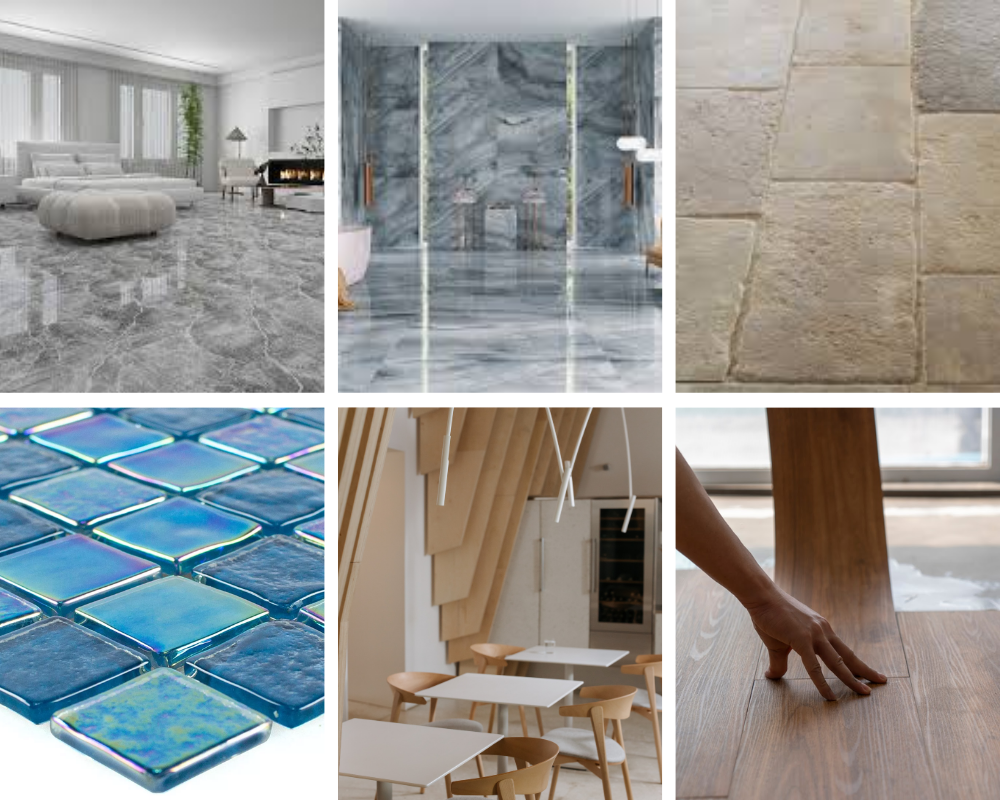
Ceramic tiles remain one of the most popular choices for homeowners due to their versatility and cost-effectiveness. These tiles are manufactured from clay that is fired at high temperatures, creating a durable surface that works well in most indoor applications. Ceramic tiles are particularly suitable for walls in bathrooms and kitchens, as well as low-traffic floor areas. They offer excellent water resistance when properly installed with appropriate sealants and grouts.
Porcelain Tiles
Porcelain tiles represent a step up in terms of durability and water resistance. These tiles are fired at higher temperatures than ceramic tiles, resulting in a denser, less porous material that can withstand heavy foot traffic and extreme temperature variations. Porcelain tiles are ideal for both indoor and outdoor applications, making them perfect for areas like patios, bathrooms, and high-traffic commercial spaces. Their low porosity makes them naturally resistant to stains and moisture, reducing maintenance requirements significantly.
Natural stone Tiles
Natural stone tiles, including marble, granite, travertine, and slate, offer unparalleled beauty and uniqueness. Each natural stone tile is unique, creating patterns and variations that cannot be replicated with manufactured tiles. However, natural stone requires more maintenance and care compared to ceramic or porcelain options. These tiles need regular sealing to prevent staining and water damage, and some varieties are more susceptible to etching from acidic substances.
Glass Tiles
Glass tiles have gained tremendous popularity in recent years, particularly for backsplashes and accent walls. These tiles reflect light beautifully, making spaces appear larger and brighter. Glass tiles are non-porous, making them highly resistant to stains and bacteria, which makes them ideal for kitchen and bathroom applications. However, they require careful installation to prevent cracking and may show water spots more readily than other materials.
Vinyl and luxury vinyl Tiles
Vinyl and luxury vinyl tiles (LVT) represent modern innovation in flooring solutions. These tiles offer the appearance of natural materials like wood or stone while providing superior water resistance and comfort underfoot. LVT is particularly suitable for areas where traditional materials might not perform well, such as basements or areas with moisture concerns.
Room-Specific Tile Selection
Each room in your home presents unique challenges and requirements that influence tile selection. Understanding these specific needs ensures that your chosen tiles will perform optimally and maintain their appearance over time.

Bathroom Tiling
Bathroom tiling requires careful consideration of moisture, slip resistance, and maintenance requirements. The bathroom environment exposes tiles to constant humidity, temperature fluctuations, and direct water contact. For bathroom floors, porcelain tiles with textured surfaces provide excellent slip resistance while maintaining water resistance. The texture helps prevent accidents while the porcelain material withstands the challenging bathroom environment.
Wall Tiles
Wall tiles in bathrooms can accommodate a broader range of materials since they don’t experience foot traffic. Ceramic tiles work excellently for shower walls and backsplashes, while glass tiles create stunning accent areas that reflect light and create visual interest. Natural stone can be used in bathrooms but requires regular maintenance and proper sealing to prevent water damage and staining.
Kitchen Tiling
Kitchen tiling faces different challenges, primarily involving heat, grease, and frequent cleaning. Kitchen backsplashes need to withstand heat from cooking surfaces while being easy to clean. Glass tiles excel in this application due to their non-porous nature and ease of maintenance. Porcelain and ceramic tiles also work well for kitchen applications, offering durability and a wide range of design options.
Kitchen Floors
Kitchen floors require tiles that can handle heavy foot traffic, potential spills, and the occasional dropped utensil or dish. Large format porcelain tiles are ideal for kitchen floors as they provide fewer grout lines, making cleaning easier while offering excellent durability. The larger tiles also create a more seamless appearance that complements modern kitchen designs.
Living Areas
Living areas and hallways experience different types of wear compared to wet areas. These spaces require tiles that can handle consistent foot traffic while contributing to the overall aesthetic of the home. Porcelain tiles that mimic hardwood or natural stone provide the beauty of natural materials with superior durability and easier maintenance. These areas also offer more flexibility in terms of tile size and pattern options.
Outdoor Spaces
Outdoor spaces require tiles specifically designed to withstand weather conditions, temperature fluctuations, and UV exposure. Porcelain tiles rated for outdoor use provide excellent performance in patios and outdoor entertainment areas. These tiles resist fading, cracking, and water absorption while maintaining their appearance through various weather conditions.
Tile Sizes and Layout Patterns
The size and layout pattern of tiles significantly impact the visual appearance of a space and can make rooms appear larger, smaller, more formal, or more casual. Understanding how different tile sizes and patterns affect spatial perception helps in creating the desired atmosphere in each room.
Large Format Tiles
Large format tiles, typically measuring 12 inches or larger, create a more seamless and contemporary appearance. These tiles work particularly well in modern homes and open-concept spaces where continuity and flow are important. Large tiles also mean fewer grout lines, which translates to easier maintenance and cleaning. In smaller rooms, large tiles can make the space appear more expansive by reducing visual breaks across the surface.
Medium-Sized Tiles
Medium-sized tiles, ranging from 6 to 12 inches, offer versatility and work well in most applications. These tiles provide a balance between the seamless look of large tiles and the detailed appearance of smaller tiles. Medium-sized tiles are often more budget-friendly than large format options and are easier to handle during installation, potentially reducing labor costs.
Small Tiles
Small tiles, including subway tiles and mosaic options, create detailed, textured appearances that add visual interest to surfaces. These tiles work exceptionally well for accent walls, backsplashes, and areas where you want to create focal points. Mosaic tiles, in particular, offer unlimited design possibilities and can incorporate multiple colors and materials within a single installation.
The layout pattern chosen for tile installation dramatically affects the final appearance. The traditional straight lay pattern, where tiles are placed in parallel rows, creates a clean, orderly appearance that works well in formal settings. This pattern is also the most cost-effective to install since it requires minimal cutting and waste.
| Pattern Type | Description | Best For | Installation Cost | Visual Effect |
| Straight Lay | Tiles placed in parallel rows | Formal settings, clean looks | Most cost-effective | Clean, orderly appearance |
| Diagonal | Tiles at 45-degree angle | Small rooms, dynamic designs | Higher due to cutting | Makes rooms appear larger |
| Herringbone | V-shaped pattern with rectangular tiles | Traditional/contemporary mix | Moderate complexity | Sophisticated, textured look |
| Brick/Running Bond | Rows offset by half tile length | Rectangular tiles, versatile use | Simple to install | Classic brick-like pattern |
Maintenance and Care
Proper maintenance extends the life and appearance of tile installations while protecting your investment in quality materials and professional installation. Different tile materials have varying maintenance requirements, and understanding these needs helps preserve their appearance and performance.
Regular cleaning forms the foundation of tile maintenance, with most materials benefiting from sweeping or vacuuming to remove abrasive debris, followed by damp mopping with appropriate cleaners. Grout requires special attention since it’s more porous than tiles and susceptible to staining, making regular cleaning and annual sealing essential for wet areas.
Natural stone tiles demand specialized care to prevent etching from acidic substances and staining from spills, requiring pH-neutral cleaners and regular sealing. Professional maintenance services can provide deep cleaning, grout restoration, and protective treatments that significantly extend installation life, particularly valuable for natural stone and high-traffic areas.
Installation Considerations
Proper tile installation is crucial for ensuring longevity, performance, and appearance of your tiled surfaces. Understanding the key aspects of professional installation helps homeowners appreciate the value of working with experienced contractors and ensures better project outcomes.
Surface preparation represents the most critical aspect of tile installation, with substrates needing to be clean, level, and structurally sound before installation begins. Professional contractors assess substrate conditions and make necessary preparations, including leveling compounds, moisture barriers, and waterproofing systems essential in wet areas like bathrooms and showers.
Adhesive selection depends on tile material, substrate type, and environmental conditions, with different adhesives formulated for specific applications. Quality control during installation ensures proper alignment, level surfaces, and secure bonding, while expansion joints in larger installations accommodate thermal expansion and prevent cracking by providing controlled locations for movement to occur.
Cost Factors and Budgeting
Understanding the various cost factors involved in tiling projects helps homeowners budget appropriately and make informed decisions about materials and installation options. Tile project costs vary significantly based on material selection, installation complexity, and project scope.
| Cost Category | Budget Option | Mid-Range | Premium | Additional Notes |
|---|---|---|---|---|
| Tile Materials | Ceramic: £15-30/m² | Porcelain: £30-60/m | Natural Stone: £60-150/m² | Large format tiles cost more |
| Installation | Simple: £20-35/m² | Standard: £35-50/m² | Complex: £50-80/m² | Includes adhesive and grout |
| Preparation | Basic clean: £5-10/m² | Leveling: £15-25/m² | Full prep: £25-50/m² | Waterproofing adds £15-30/m² |
| Additional Costs | Trim: £5-15/m | Sealers: £3-8/m² | Heated floors: £40-80/m² | Professional removal: £10-20/m² |
Professional Installation Benefits
Working with experienced tiling professionals provides numerous advantages that justify the investment in professional services. Professional installers bring expertise, efficiency, and warranty protection that DIY installations cannot match.
Technical expertise ensures installations are completed according to industry best practices and manufacturer specifications, with professional installers understanding substrate requirements, adhesive selection, and installation techniques that prevent common problems. This expertise provides efficiency and time savings, as experienced teams complete projects more quickly while achieving superior results using specialized tools and equipment.
Warranty protection provides peace of mind and financial protection for your investment, with professional installations typically including warranties on both materials and workmanship. Professional installers also offer problem-solving capabilities to address unexpected issues, quality assurance to meet industry standards, and access to trade pricing on professional-grade materials that can offset cost differences between professional and DIY installation.
Conclusion
Professional tiling represents one of the most effective ways to enhance your home’s beauty, functionality, and value, with the wide variety of available materials and installation options ensuring suitable solutions for every application and budget. At Unique Construction, we understand that tiling projects represent significant investments, which is why our experienced team provides expert guidance throughout the selection and installation process, ensuring your tile installations meet the highest standards for quality, durability, and appearance. The key to successful tiling projects lies in careful planning, appropriate material selection, and professional installation that will provide years of beauty and performance while adding lasting value to your home.